


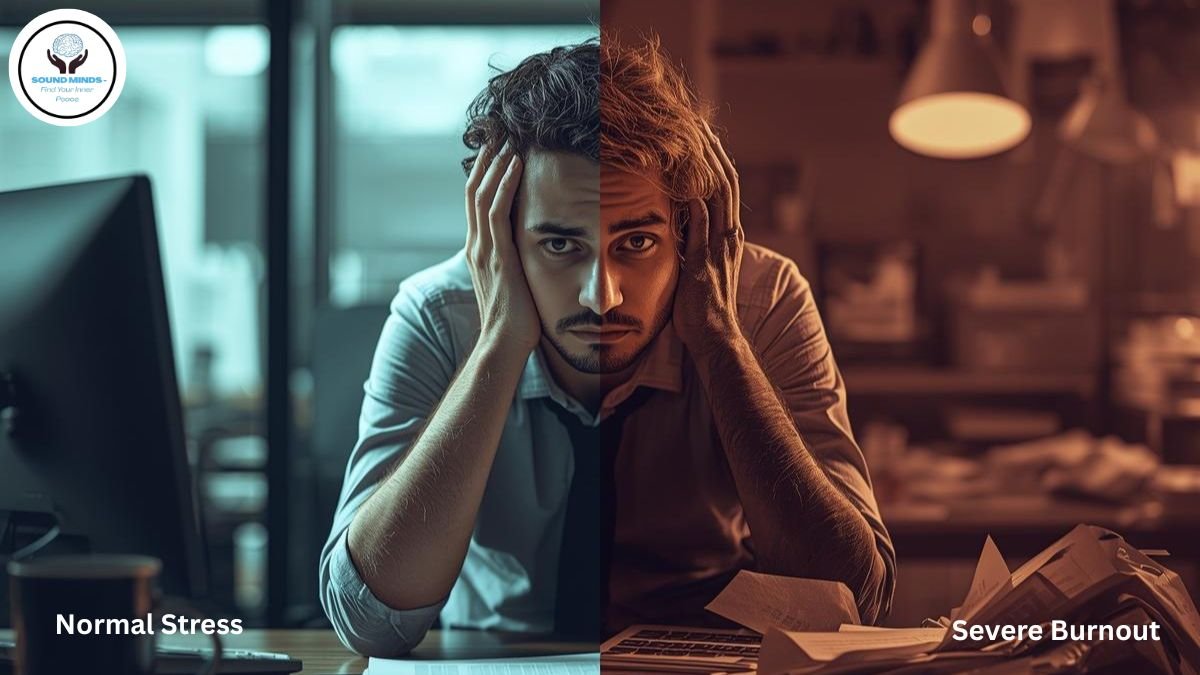
If you are constantly feeling exhausted, you might be ignoring the early signs of burnout. In today’s fast-paced, hustle-driven world, especially in bustling cities like Mumbai and Thane, feeling tired after a long day at work is completely normal. We all face tight deadlines, difficult clients, and personal responsibilities that leave us drained. But what happens when that tiredness doesn’t go away after a good night’s sleep? What happens when a weekend break is no longer enough to recharge your batteries?
Many people confuse standard workplace stress with something much more severe. Understanding the difference is critical for your mental health. If you are constantly pushing yourself despite the exhaustion, you might be heading towards a complete physical and emotional collapse. In this comprehensive guide, we will explore the critical differences between normal stress and burnout, and highlight the undeniable warning signs that indicate it’s time to seek professional counselling.
Understanding the Difference: Stress vs. Burnout
Before we dive into the specific signs of burnout, it is important to understand how it differs from everyday stress.
- Stress is “Too Much”: It is the feeling of having too many pressures and demands. Stressed people are often hyperactive and feel a sense of urgency. They usually believe that if they can just get everything under control, they will feel better.
- Burnout is “Not Enough”: Being burned out means feeling empty, mentally exhausted, devoid of motivation, and beyond caring. If stress is like drowning in responsibilities, burnout is like being completely dried up.
7 Warning Signs of Burnout You Shouldn’t Ignore
If you have been feeling “off” lately but can’t quite pinpoint why, you might be experiencing occupational burnout. Here are the major signs of burnout that indicate you need to step back and seek professional help:
- Chronic Physical and Emotional Exhaustion: A deep, lingering fatigue that doesn’t disappear with rest. You might wake up feeling just as tired as when you went to bed.
- Cynicism and Detachment: You may have once been passionate about your job, but now you find yourself feeling deeply cynical, negative, and resentful towards your work and colleagues.
- A Severe Drop in Efficacy: Tasks that used to take you 30 minutes now take two hours. You might start experiencing Imposter Syndrome due to a lack of concentration.
- Unexplained Physical Symptoms: Common physical symptoms include chronic headaches, gastrointestinal issues, muscle tension, and a weakened immune system.

- Isolation from Friends and Family: Because you are so emotionally depleted by your job, you have zero energy left for your personal life, often cancelling plans and avoiding social contact.
- Unhealthy Coping Mechanisms: Turning to quick fixes to numb the pain, such as drinking more alcohol, overeating, or binge-watching television until 3 AM.
- The “Sunday Scaries”: Feeling an intense, paralyzing sense of dread and physical anxiety on Sunday evenings at the thought of logging into work on Monday.
How Professional Counselling Can Help You Recover
If you recognize several of these signs of burnout in yourself, it is crucial to understand that pushing through it will only make it worse. Burnout is not a sign of weakness; it is a sign that you have been too strong for too long without proper support. According to the World Health Organization (WHO), burnout is officially recognized as an occupational phenomenon resulting from chronic workplace stress.
At Sound Minds, our expert psychologists specialize in helping individuals navigate the complexities of corporate stress. Through personalized individual counselling sessions in Thane, we can help you identify root causes, establish healthy boundaries, and develop sustainable coping strategies.
Take the First Step Towards Healing
You do not have to live in a constant state of exhaustion and apathy. Recognizing the signs of burnout is the first, most important step toward recovery. If you are ready to reclaim your energy and find a healthier work-life balance, do not hesitate to reach out. Book a confidential session with our expert psychologists today and let us help you navigate your way back to emotional well-being.
Frequently Asked Questions (FAQs)
Q1: How long does it take to recover from burnout? ▾
Recovery time varies from person to person. Depending on the severity of the burnout, it can take anywhere from a few weeks to several months of rest, boundary-setting, and professional therapy to fully recover.
Q2: Can I recover from burnout without quitting my job? ▾
Yes, in many cases, you do not need to quit. Professional counselling can help you learn how to set strict boundaries, manage your workload, and detach emotionally from workplace stressors while keeping your job.
Q3: Are the signs of burnout the same as depression? ▾
While they share similar symptoms like exhaustion and loss of interest, burnout is specifically linked to occupational or chronic stress, whereas depression is a broader clinical mood disorder that affects all areas of life. A psychologist can help distinguish between the two.